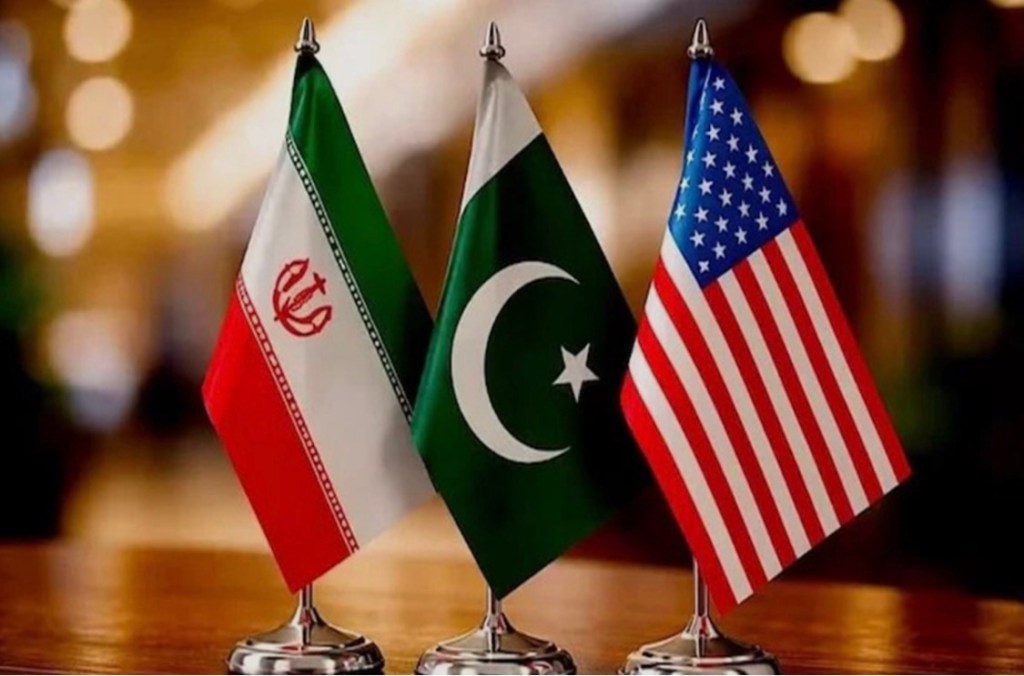
Islamabad: The World’s Diplomatic Epicenter in the Race to Avert WW3
April 12, 2026 — As the sun sets over the Margalla Hills, the eyes of the world are fixed on the Serena Hotel in Islamabad. Within its heavily fortified walls, a historic and high-stakes drama is unfolding: the first direct, face-to-face negotiations between the United States and Iran since 1979.
After six weeks of a devastating regional war that began on February 28, the “Islamabad Talks” represent a fragile but vital bridge back from the brink of global catastrophe.
A Region on the Edge
The conflict, which erupted following coordinated US-Israeli strikes on Iranian military and nuclear facilities, quickly spiraled into a multi-front nightmare. From the closure of the strategic Strait of Hormuz to retaliatory strikes across the Middle East, the specter of World War III has never felt more real.
With global oil prices surging toward $100 a barrel and thousands of lives already lost, the urgency for a breakthrough is palpable.
Pakistan: The Essential Bridge
While larger powers have struggled to contain the fire, Pakistan has emerged as the indispensable mediator. Leveraging its unique position—maintaining a strategic partnership with the US while sharing a 900km border and deep cultural ties with Iran—Islamabad has achieved what many thought impossible.
• The 8th April Breakthrough: Prime Minister Shehbaz Sharif successfully brokered a two-week ceasefire, convincing President Donald Trump to extend a critical deadline to “allow diplomacy to run its course.”
• Neutral Facilitation: By adopting a policy of “limited alignment,” Pakistan has provided a neutral ground where both JD Vance (US Vice President) and Mohammad Bagher Ghalibaf (Iranian Parliamentary Speaker) feel secure enough to sit at the same table.
Inside the Talks: Recent Developments
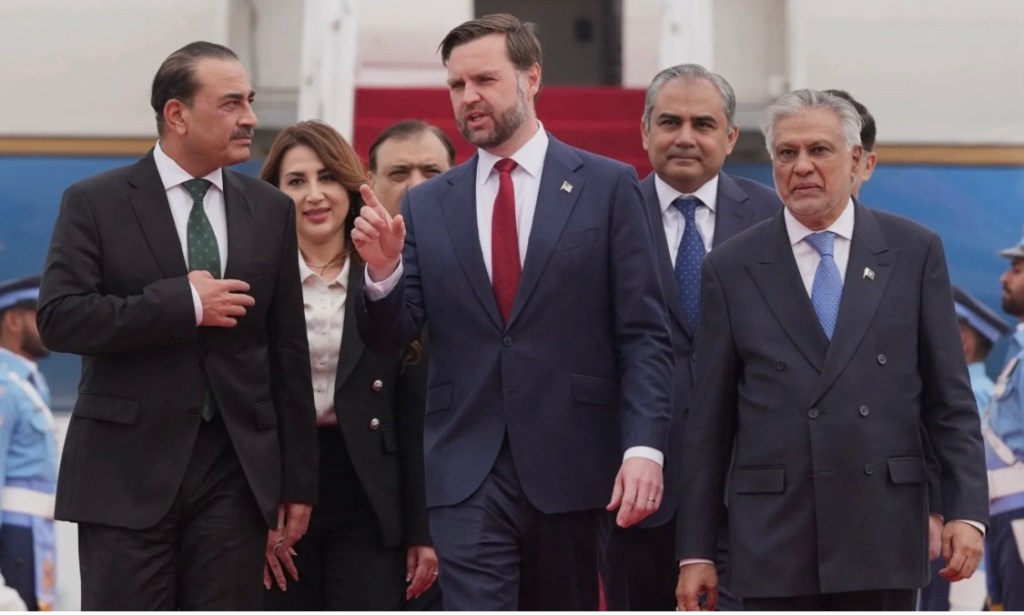
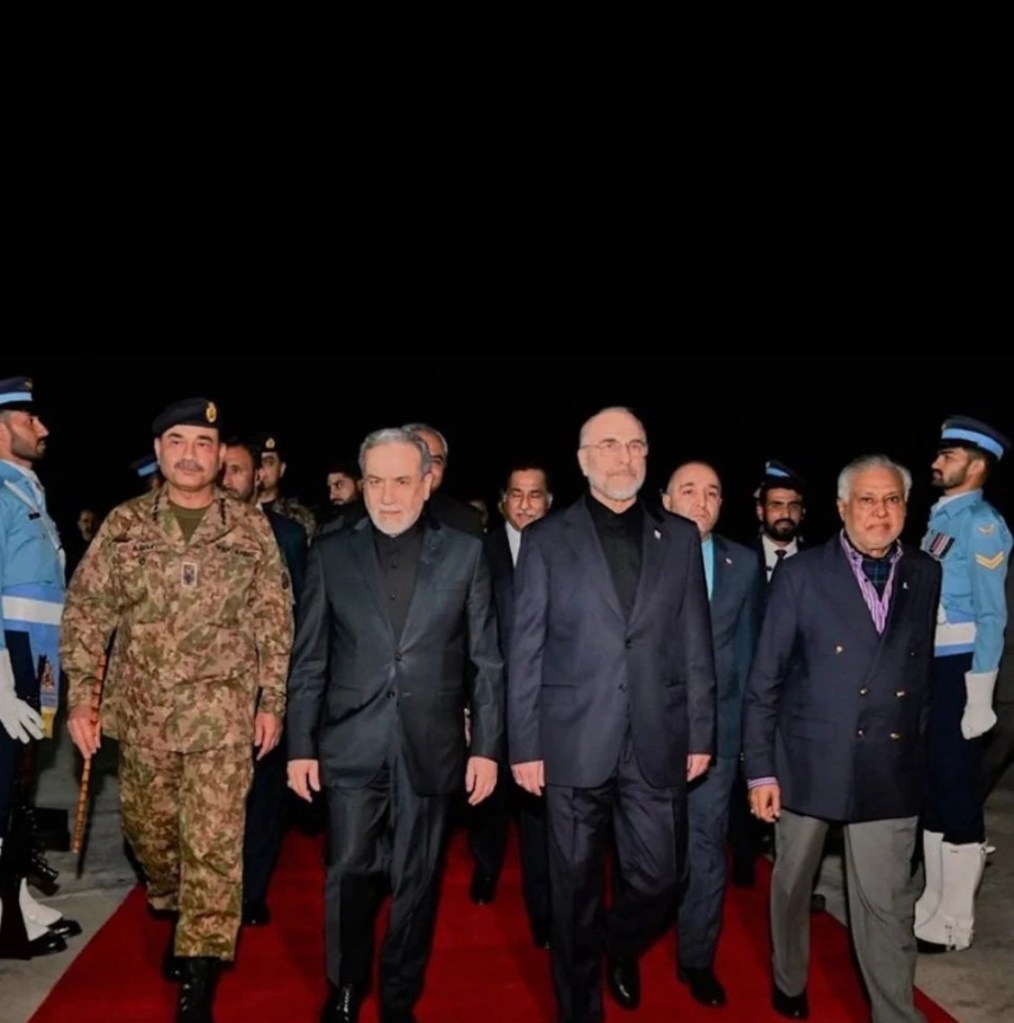
The atmosphere in Islamabad is one of “cautious optimism” mixed with “mutual suspicion.” Recent images from the federal capital show a city transformed, with the Jinnah Convention Centre serving as a global media hub.
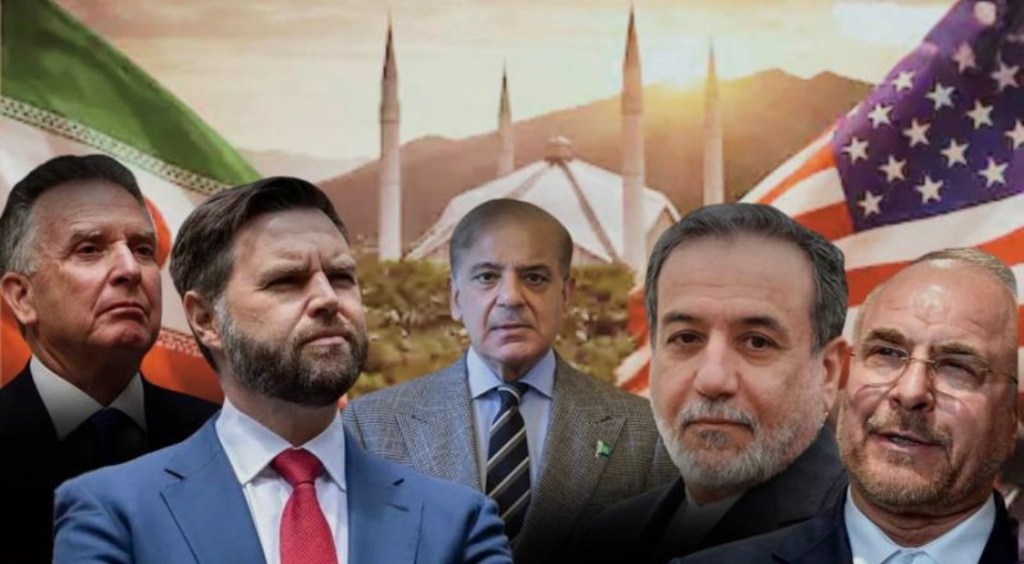
“The prime minister Pakistan expressed the hope that these talks would serve as a stepping stone toward durable peace,” stated the PM’s office following a dinner hosted for both delegations.
Key Obstacles to a Final Deal
Despite the positive step of face-to-face dialogue, significant hurdles remain:
1. Frozen Assets: Tehran is demanding the immediate unfreezing of sanctioned assets.
2. The Lebanon Factor: Iran insists on a total cessation of Israeli operations in Lebanon, a point the US delegation has signaled is a separate complexity.
3. The Strait of Hormuz: Reopening this vital artery for global trade is the top priority for the US and its allies.
The Way Forward
Technical committees involving nuclear, military, and economic experts are now working through the night. While the ceasefire is temporary, the presence of Pakistan’s Army Chief, Asim Munir, and high-level US and Iranian officials suggests that all sides are treating these talks as a “make or break” moment for regional—and global—stability.
As the two-week window continues to close, the “Islamabad Talks” are more than just a diplomatic meeting; they are a desperate, necessary effort to ensure that the 2026 Iran War does not become the spark for a third World War. For now, the world waits and watches Islamabad, hoping that the “City of Peace” can live up to its name.
(Imran Najeeb Wrote)
 Digital World Design & Marketing